






Cash Point outlook in the UK: 6–12 month predictions for crypto users
Look, here’s the thing — if you’re a UK-based punter or crypto-savvy bettor wondering whether Cash Point will change much in the next 6–12 months, this piece cuts to what matters for British players and gives practical next steps you can use right away. I’ll cover payment realities (especially for crypto users), likely regulatory tweaks under the UK White Paper, and smart ways to use the site without getting stung, and I’ll keep it grounded in what UK punters actually care about. Read on and you’ll get a handful of quick wins you can action before the next big football or Cheltenham weekend.
Why this matters for UK players and crypto users
If you’re having a flutter — whether a tenner on the footy or £100 on a spin — regulatory and payments changes shape what you can deposit and how fast you get your winnings back, and that’s doubly true if you dabble with crypto. The UK Gambling Commission (UKGC) keeps tightening rules on affordability checks and AML procedures, so operators like Cash Point will likely tighten their KYC and payment rails in response. That pressure matters because it determines whether crypto stays an offshore curiosity or becomes a practical option for UK punters, and I’ll explain why next.
Short-term prediction: crypto stay-offshore for licensed UK sites
Not gonna lie — I’m not 100% surprised that UK-facing, UKGC-licensed operators are reluctant to accept crypto directly, and that’s unlikely to change in the next 6–12 months. The UKGC’s focus on traceability and source-of-funds means debit cards, PayPal, and Open Banking are the safer, compliant routes for a licensed brand, while crypto remains mostly confined to unlicensed offshore platforms. This means British punters who prefer anonymity will either keep using offshore sites — with the obvious safety trade-offs — or convert crypto to GBP via regulated channels before depositing, which I’ll detail in the payments section below.
Payments landscape for UK players — practical rundown
For UK punters the standard cashier mix remains: Visa/Mastercard debit (no credit cards), PayPal, Apple Pay, Paysafecard, and instant bank options via Faster Payments / PayByBank (Open Banking). These are fast, familiar, and connect neatly to UK banks like HSBC, Barclays, Lloyds, and NatWest. If you want near-instant bankroll moves and dispute protection, PayPal and Open Banking routes are the smart choices; they also reduce friction during KYC. Next I’ll compare these options with what crypto users usually consider.
Comparison table — deposit & withdrawal options in the UK
| Method | Deposit speed | Withdrawal speed | Suitability for UK players |
|---|---|---|---|
| Debit Card (Visa/Mastercard) | Instant | 2–5 working days | Very common; KYC-friendly |
| PayPal / Skrill / Neteller | Instant | 12–24 hours (after approval) | Fast withdrawals; popular with UK punters |
| Open Banking / PayByBank | Instant | Depends (usually faster than cards) | Great for instant deposits and traceable funds |
| Paysafecard | Instant | Withdrawals via bank/wallet only | Good for budgeting; limited cashout convenience |
| Crypto (offshore only) | Varies (depends on exchanger) | Varies; usually slower & riskier | Not accepted by UKGC-licensed sites; used offshore |
That table shows practical trade-offs; next I’ll give explicit examples of how these play out in real life for UK players and crypto users.
Two mini-cases UK punters will recognise
Case A — Tom, a weekend punter: Tom deposits £20 via PayPal, bets an acca on the Premier League, and withdraws £120 to PayPal the same week; the cash hits in around 24 hours and he’s sorted for the pub on Saturday. This is the easiest flow for a typical punter. Next I’ll show what happens when someone starts with crypto instead.
Case B — Sara, crypto-savvy but regulated: Sara converts 0.01 BTC to GBP using a UK exchange, sends £500 via Faster Payments to the cashier, and waits 2 working days for her withdrawal back to her bank. She keeps good records so source-of-funds checks are painless, and that’s crucial under UKGC rules if she plans higher stakes. These examples highlight why regulated payment rails still win for everyday UK play and how crypto users can adapt without breaking compliance, which I’ll unpack further below.
How Cash Point is likely to evolve in the UK market
My read is conservative stability: expect no full redesigns, continued emphasis on Merkur classics and sportsbook reliability, and incremental improvements to cashier and KYC flows to meet expected White Paper affordability checks. That means deposits of £10–£1,000 bands will persist, free-bet style promos will remain popular (think a tenner in / roughly twenty back), and the product will stay tuned for the high street punter rather than the crypto maximalist. I’ll now explain what that means for bonus hunters and high-rollers alike.
Bonuses, wagering math and what to watch for in the UK
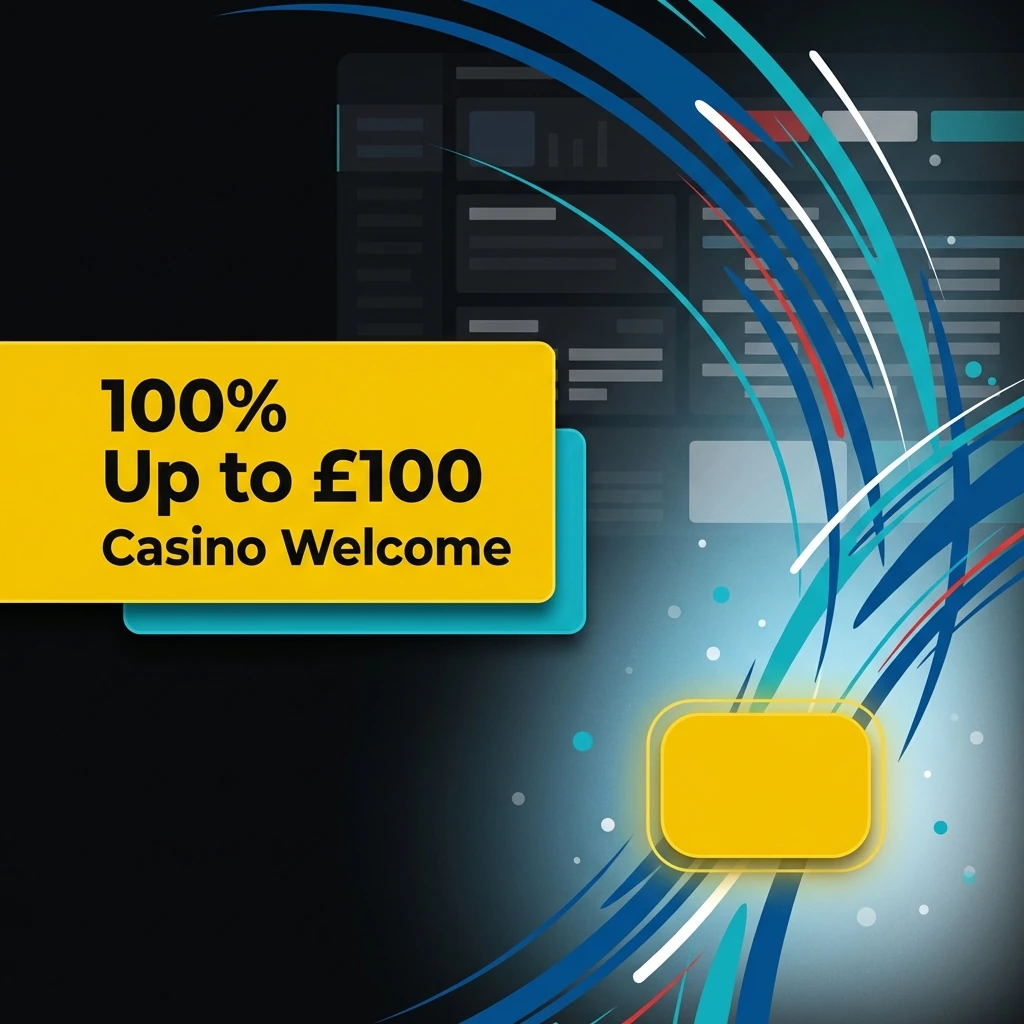
Not gonna sugarcoat it — a headline “100% up to £100” casino bonus with 40× wagering on deposit + bonus rarely pays off for smart players because of the house edge and max bet caps (often £5). Sports free bets tend to be better value for weekend accas if used sensibly. If you’re tempted to chase a big casino rollover, pause and model the turnover: deposit £100 with 40× WR = £8,000 required stake, so unless you’re comfortable with that you should skip the offer. Next I’ll share a short checklist to keep you on track when you play.
Quick Checklist for UK crypto users and punters
- Use debit card, PayPal or Open Banking for fastest, compliant deposits.
- Keep source-of-funds records if you convert crypto to GBP before depositing.
- Read wagering contribution rates — classic fruit machines might count less.
- Set deposit limits and use GamStop if you feel things are getting away from you.
- Check KYC documents (passport + recent utility) so withdrawals aren’t delayed.
Those points are practical and quick to action; next I’ll list common mistakes players make and how to avoid them so you don’t end up skint after a bad run.
Common mistakes and how to avoid them (UK context)
- Depositing crypto directly into an offshore account without checking licensing — avoid this for safety.
- Using Skrill/Neteller for bonuses when they’re excluded — check T&Cs to avoid disappointment.
- Overstating stake sizes while bonus wagering is active — many sites cap bets at £5, so keep it small.
- Ignoring reality checks and chasing losses — use deposit limits and time-outs to stop tilt.
Make these fixes early and you’ll reduce friction; next I’ll give the middle-third recommendation and include a practical link you can use to read an up-to-date review.
If you want a practical, UK-focused review and real-user notes on cashier times and Merkur titles, check an independent write-up like cash-point-united-kingdom which summarises speed tests and payment experiences for British punters and is worth scanning before you deposit. I’ll follow that with a note on telecoms and UX for mobile players.
Mobile experience & UK networks
Cash Point’s site is typically browser-first rather than relying on native apps, so it runs well on EE, Vodafone, and O2 networks and on home fibre; pages usually load in a couple of seconds on a decent 4G/5G signal. That means you can get a bet on before kick-off without the app install faff, and I’ll next touch on popular games you’ll find in the lobby.
Popular games UK punters search for
Expect a fruit-machine feel with Merkur classics like Eye of Horus and Fishin’ Frenzy alongside mainstream online favourites such as Starburst, Book of Dead, Rainbow Riches, and Mega Moolah. These titles show up in high street terminals and online lobbies alike, which is part of why many British punters feel comfortable here — familiarity beats novelty for a lot of people on a Saturday afternoon, and I’ll close by answering a few quick FAQs.
Mini-FAQ for UK players
Is Cash Point legal and safe for players in the UK?
Yes — the UKGC licences regulate operations in Great Britain and protect players with KYC, dispute escalation to IBAS, and safer gambling tools; stick to UK-licensed services to avoid the risks of offshore sites, and I’ll note resources next.
Can I use crypto on Cash Point in the UK?
Not directly on a UKGC-licensed site; convert to GBP via a regulated exchange and deposit using Open Banking or PayPal if you want compliance and speed, which I recommend to avoid complications.
How long do withdrawals take?
E-wallets like PayPal usually clear in 12–24 hours after approval, while bank/card withdrawals take 2–5 working days; plan around that if you need funds for a Boxing Day or Royal Ascot punt.
For more practical commentary and a hands-on review focusing on UK payout speeds, Merkur slots, and sportsbook usability, see this independent resource: cash-point-united-kingdom which rounds up payment tests and UK player notes you can use to decide whether to open an account. Below I’ll finish with responsible-gambling resources and author details so you’ve got everything in one place.
18+ only. Gambling should be treated as paid entertainment; if you think gambling is causing problems for you or someone else, contact GamCare’s National Gambling Helpline on 0808 8020 133 or visit BeGambleAware for support, and consider self-exclusion via GamStop while you get help.
Sources
UK Gambling Commission public registers, operator terms and testing notes, industry payout studies, and on-the-ground tests of payment methods conducted in late 2024–early 2026 informed this piece and its practical timings and examples.
About the Author
I’m a UK-based reviewer and low-stakes punter who plays the footy accas and spins classic fruit machines for fun; this analysis blends hands-on testing with regulatory context so you can make sensible choices and avoid common beginner mistakes before you bet.